Lorne Grabher, a man from Canada, recently emerged victorious in a legal dispute concerning his customized license plate featuring his family name. For a quarter of a century, he proudly displayed his name on his license plate until it was taken away in 2016 due to accusations of promoting violence against women. Nevertheless, Grabher’s attorney effectively refuted this allegation by asserting that it was merely a personal name and not connected to offensive remarks made by President Donald Trump.
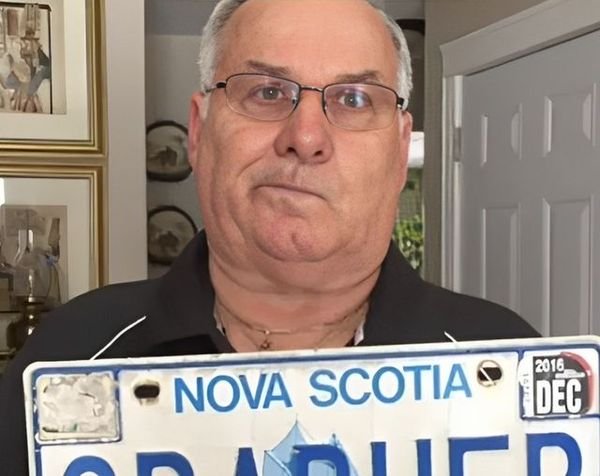
Grabher was awarded $750 in court costs by the Supreme Court of Nova Scotia, which was a big win in the ongoing dispute over his personalized license plate. This ruling helps bring an end to Grabher’s battle to keep his plate.
Grabher’s attorney strongly disputed the claim in the Crown report that the license plate was linked to Trump’s controversial comments about women. He stressed that it simply represented his client’s family name, without any intent to cause offense or provoke.
Grabher’s lawyer was pleased with the court’s decision, saying that the award of the same costs would be fair to both parties.
It is important to consider context and intention when interpreting personalized license plates. Addressing offensive language is crucial, but understanding the individual’s intent is equally important.
In a culture that cherishes freedom of speech, it’s crucial to find a middle ground between safeguarding personal rights and stopping harmful messages. Instances such as Grabher’s highlight the importance of respecting personal names and avoiding linking them to inappropriate or offensive material.
Lorne Grabher’s win allows him to proudly show his family name and sets a new standard for personalized license plate conflicts. It’s important to embrace and honor diversity, including in personal expressions like license plates.

The victory for Lorne Grabher in his license plate dispute is a win not only for him but for all individuals who want to express themselves through their personalized license plates. Grabher’s case sets a precedent for understanding the context and intention behind personalized plates, emphasizing the importance of respecting personal names and individual expression.
The $750 awarded to Grabher by the Supreme Court of Nova Scotia is not just a monetary victory, but a symbolic one that upholds the right to personal expression. Grabher’s attorney’s successful defense against the claim linking the plate to Trump’s controversial remarks about women further solidifies the importance of understanding the individual’s intent behind personalized plates.
In a society that values freedom of speech, it is crucial to find a balance between protecting personal rights and preventing the spread of harmful messages. Grabher’s case serves as a reminder of the need to respect diversity and individuality, even in seemingly small expressions like license plates.
Moving forward, it is essential for authorities to consider the context and intent behind personalized plates before making decisions about their appropriateness. By doing so, they can ensure that individuals like Lorne Grabher are able to proudly display their names without fear of misinterpretation or censorship.
Overall, Grabher’s victory is a step in the right direction towards creating a more inclusive and understanding society. It serves as a reminder of the importance of embracing diversity and respecting personal expression, even in seemingly mundane aspects of everyday life like license plates. Grabher’s case sets a new standard for personalized plate conflicts and highlights the significance of honoring individual identity and personal names.