These patterns may resemble dark, swirling clouds, briefly turning the sky black.
Researchers have found that each starling coordinates with about seven nearby birds, creating instantaneous, wave-like movements across the flock. Importantly, the flock remains leaderless yet highly coordinated, reacting collectively to environmental stimuli—especially to evade predators like falcons.
Venice Meets Rome: Why the Eternal City Hosts These Flocks
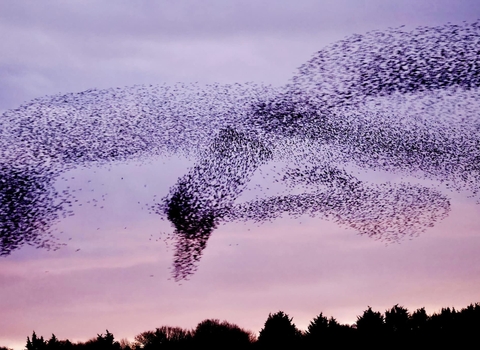
Between October and February, migrating starlings from Northern Europe—Germany, Hungary, even Russia—flock to Rome, drawn by its milder urban microclimate and reliable roosting trees.
Experts estimate the city receives between 500,000 and one million starlings each winter, with each dusk bringing waves of murmuration.
A Visual Spectacle with a Messy Aftermath
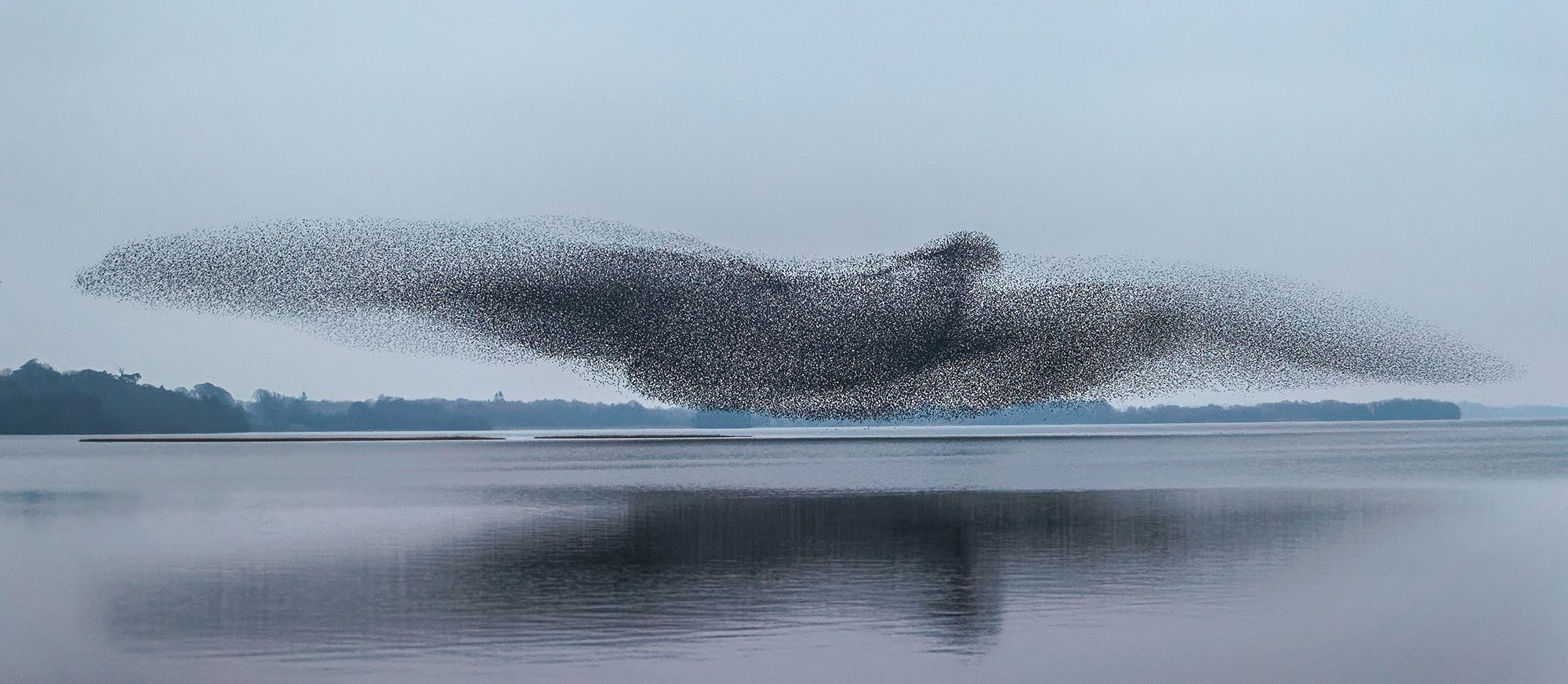
These dramatic flocks become dazzling backdrops against landmarks like the Roman Forum and Piazza Venezia. Tourists often call it “incredible,” capturing wild, swirling formations against glowing sunset skies.
However, the dazzling display