According to the US Centers for Disease Control and Prevention (CDC),
this is the first US bird flu case linked to a backyard flock.
A patient in Louisiana has been hospitalized with the first severe case of avian influenza A(H5N1) virus (“H5N1 bird flu”) in the US.
CDC confirmed the presence of the virus on December 13, 2024.
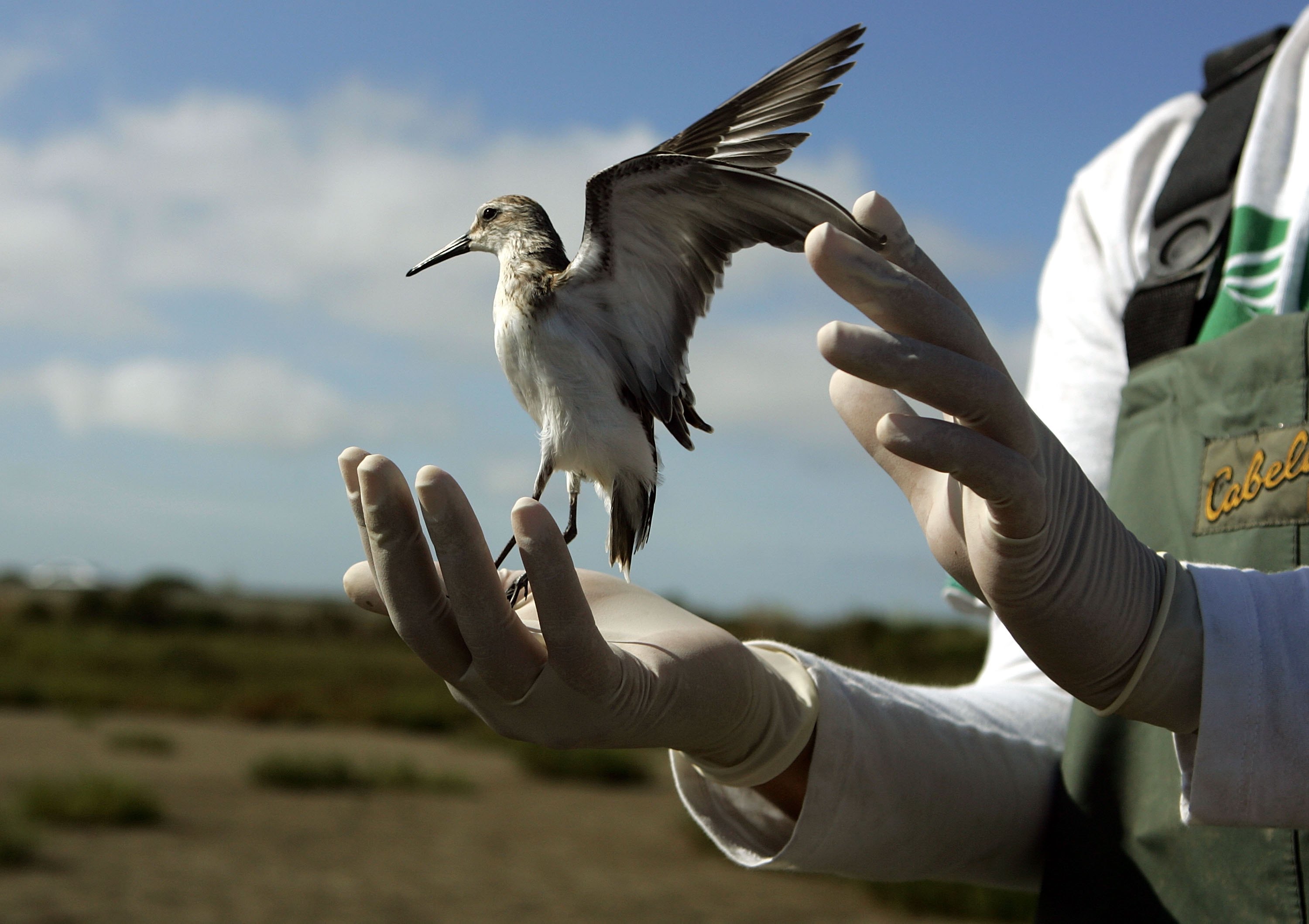
USGS Biologist Science Tech Brooke
Hill releases a Western Sandpiper after testing it for the highly pathogenic H5N1 avian influenza in Sonoma,
An investigation is underway to identify the source of an H5N1 bird flu infection.
However, it has been confirmed that the patient had contact with ill and deceased birds from backyard flocks.
This marks the first reported US case of H5N1 bird flu connected to backyard flock exposure.
Additionally, there have been 37 cases connected to dairy herds,
21 associated with poultry farms and culling operations,
and 2 cases where the source of exposure remains unknown.
The news of the first severe case of bird flu in the US has sparked concern and prompted authorities to take action. A state of emergency has been declared in the affected area as health officials work to contain the spread of the virus.
The patient in Louisiana who has been hospitalized with the H5N1 bird flu virus is believed to have contracted it from a backyard flock. This marks a significant development as previous cases in the US have been linked to commercial poultry farms. The CDC is now conducting an investigation to determine the source of the infection and to prevent further cases.
In response to the situation, USGS Biologist Science Tech Brooke Hill has been involved in testing wild birds for the highly pathogenic H5N1 avian influenza. This proactive approach is aimed at monitoring the virus in wildlife populations and preventing its transmission to domestic birds.
The presence of H5N1 bird flu in backyard flocks raises concerns about the potential for the virus to spread to other birds and even humans. Health officials are urging people to take precautions when handling sick or dead birds and to report any unusual bird deaths to the authorities.
In addition to the case in Louisiana, there have been other reported cases of H5N1 bird flu in the US. These cases have been linked to dairy herds, poultry farms, and culling operations. The source of exposure in some cases remains unknown, highlighting the need for increased surveillance and biosecurity measures.
As the situation continues to evolve, it is important for the public to stay informed and follow the guidance of health authorities. By working together to prevent the spread of bird flu, we can protect both animal and human health.