The American Cockroach (Periplaneta Americana): Overview and Impact
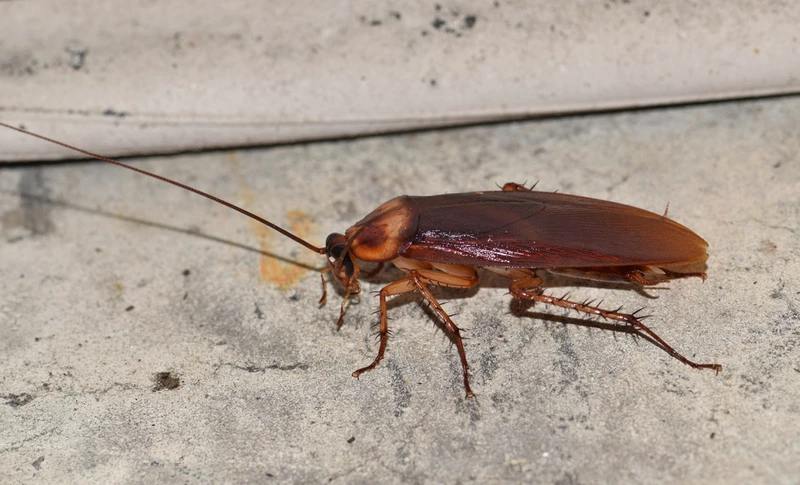
The American cockroach is among the largest and most widespread cockroach species globally. Here’s a closer look at their characteristics, habitat, impact, and control methods.
Key Characteristics
- Size: Measuring 3 to 5 cm, they are one of the largest cockroach species.
- Color: Reddish-brown with a distinctive pale yellowish pattern on their head.
- Lifespan: They can live over a year, depending on environmental conditions.
Habitat
- Preferred Environments: They thrive in warm, humid locations like kitchens, basements, sewers, and areas with food remnants.
- Adaptability: Highly resilient, they can survive with minimal food and water.
The Damage They Cause
- Health Risks:
- They carry harmful bacteria such as Salmonella and E. coli, potentially causing illnesses.
- Their excrement and secretions can trigger allergies and worsen asthma, particularly in children and sensitive individuals.
- Food Contamination:
- They spoil food through contact and can damage packaging or stored goods.
- Material Damage:
- They chew through materials like paper, fabric, and organic matter, damaging household or workplace items.
Possible Benefits
- In Nature: They contribute to the nutrient cycle by decomposing organic matter.
- Scientific Study: Their adaptability and resilience provide valuable insights for research.
How to Control American Cockroaches
- Maintain Hygiene: Keep your environment clean, eliminate food scraps, and reduce water exposure.
- Seal Entry Points: Block cracks and holes to prevent their access.
- Seek Professional Help: For severe infestations, consult a pest control expert.
Conclusion
While American cockroaches are often viewed as pests due to their health risks and damage, they also play a role in the ecosystem. However, keeping them out of your home is essential to safeguard your health and belongings.
The American cockroach, also known as Periplaneta Americana, is a fascinating yet troublesome insect that can have a significant impact on your home and health. Measuring between 3 to 5 cm in size, these reddish-brown creatures with a distinctive pale yellowish pattern on their head are one of the largest cockroach species in the world.
Found in warm, humid environments such as kitchens, basements, and sewers, American cockroaches are highly adaptable and can survive on minimal food and water. However, their presence can pose serious health risks as they carry harmful bacteria like Salmonella and E. coli, which can lead to illnesses. Additionally, their excrement and secretions can trigger allergies and worsen asthma, especially in children and sensitive individuals.
These pests can also cause food contamination by spoiling food through contact and damaging packaging or stored goods. Furthermore, they are known to chew through materials like paper, fabric, and organic matter, causing damage to household or workplace items.
Despite their negative impact, American cockroaches do have some benefits in nature as they contribute to the nutrient cycle by decomposing organic matter. Additionally, their adaptability and resilience provide valuable insights for scientific research.
To control American cockroaches, it is essential to maintain hygiene by keeping your environment clean, eliminating food scraps, and reducing water exposure. It is also important to seal entry points by blocking cracks and holes to prevent their access. In cases of severe infestations, seeking professional help from a pest control expert is highly recommended.
In conclusion, while American cockroaches may have some ecological benefits, they are primarily viewed as pests due to the health risks and damage they can cause. By taking proactive measures to keep them out of your home, you can protect your health and belongings from these troublesome insects.