The tumultuous year of 2020, marked by the tragic death of NBA star Kobe Bryant, was further marred by the coronavirus pandemic and civil unrest following George Floyd’s murder. As the economy faced challenges due to the pandemic, longstanding retailers struggled against the rising dominance of online platforms like Amazon. America’s oldest department store chain, Lord & Taylor, founded in 1824, is now set to close all 38 of its stores after nearly two centuries in business.
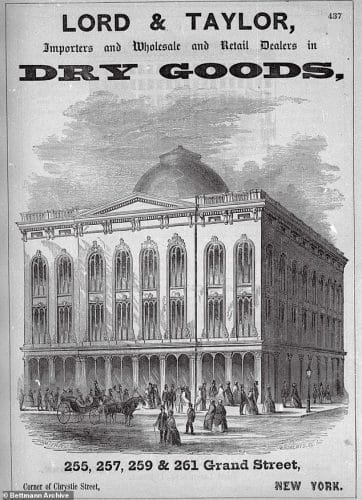
Lord & Taylor, known for its pioneering role as the first department store in the United States, filed for Chapter 11 bankruptcy in August 2020, initially planning to keep fourteen locations open. However, the economic pressures led to a change in strategy, and the decision was made to close all stores in a desperate liquidation sale. Last year, the French clothing company Le Tote Inc. acquired Lord & Taylor.
The closure of Lord & Taylor adds to the list of venerable American businesses facing economic fallout, including Brooks Brothers, J. Crew, J.C. Penney, Neiman Marcus, Stage Stores, Ann Taylor, and Lane Bryant. Brooks Brothers, another two-century-old company that had dressed numerous U.S. presidents, and Barneys New York, its longtime rival, also succumbed to bankruptcy.
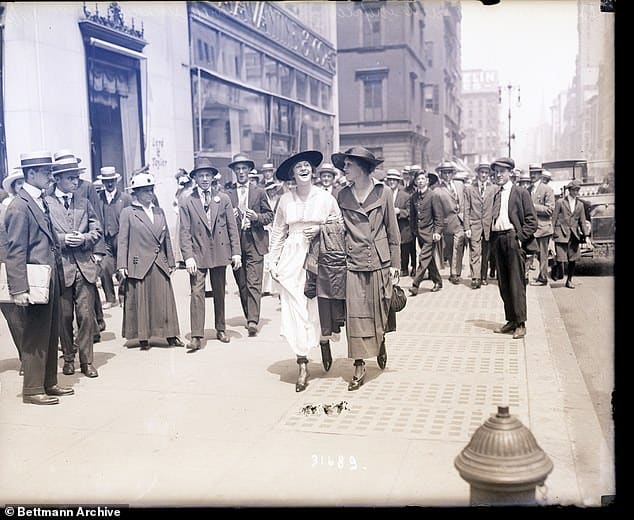
The ongoing economic challenges, exacerbated by the pandemic, have led to the closure of historical businesses. The fate of these vacated spaces and the recovery of the economy remain uncertain, as traditional retailers grapple with the evolving landscape and online competition.
Lord & Taylor’s closure marks the end of an era for American retail, signaling the impact of changing consumer habits and economic challenges. The closure of such a longstanding and iconic department store serves as a reminder of the harsh realities facing brick-and-mortar retailers in the digital age.
Founded almost 200 years ago, Lord & Taylor has been a fixture in American shopping culture, known for its high-end fashion and innovative retail concepts. However, the company’s inability to adapt to the changing retail landscape ultimately led to its downfall. The pandemic only accelerated the decline, as lockdowns and social distancing measures forced many retailers to close their doors temporarily, leading to a loss in revenue that some could not recover from.
The closure of Lord & Taylor is not an isolated incident, as other well-known retail chains have also succumbed to bankruptcy in recent years. The loss of these historic businesses not only impacts the employees and loyal customers but also leaves a void in the American retail landscape. The future of retail remains uncertain, as traditional stores struggle to compete with the convenience and efficiency of online shopping.
As we reflect on the closure of Lord & Taylor and other iconic stores, it is essential to acknowledge the changing nature of consumer behavior and the need for businesses to adapt and innovate to survive. While the closure of these stores is undoubtedly a loss, it also serves as a lesson for the retail industry as a whole. The ability to evolve and meet the changing needs of consumers is crucial for the survival of any business in today’s competitive market.
In the wake of Lord & Taylor’s closure, we must look towards the future of retail with a sense of optimism and resilience. While the retail landscape may be evolving, there is still room for traditional stores to thrive and succeed. As we bid farewell to America’s oldest department store, we also look towards a new chapter in retail, one that embraces innovation and meets the needs of the modern consumer.