An armed man, believed to be traveling from Indiana, was shot by US Secret Service agents near the White House after a confrontation. The shooting occurred around midnight, a block from the White House. Authorities were alerted by local police about a suicidal individual, and agents found the man’s car nearby. When approached, the man brandished a firearm, prompting agents to fire. He was hospitalized, with his condition unknown. The DC Metropolitan Police’s Internal Affairs Division is investigating the incident. President Trump was in Florida during the event.
In other news, Zelenskyy admitted his meeting with Trump on February 28 did not go as planned. Trump criticized him for gambling with World War III, and afterward, US military aid to Ukraine was halted. Zelenskyy reiterated Ukraine’s commitment to peace and expressed readiness to negotiate for a lasting resolution to the war, suggesting immediate ceasefire measures. He also acknowledged US aid, particularly the provision of Javelin missiles, and expressed hope for future constructive cooperation.
The White House denied reports that the Trump administration would revoke the temporary legal status of 240,000 Ukrainians in the US. Following the suspension of military aid, rumors circulated that Ukrainian refugees’ status would be revoked. However, Press Secretary Karoline Leavitt dismissed these claims, asserting no final decisions had been made on the matter. The White House emphasized its focus on peace and a review of aid contributions.
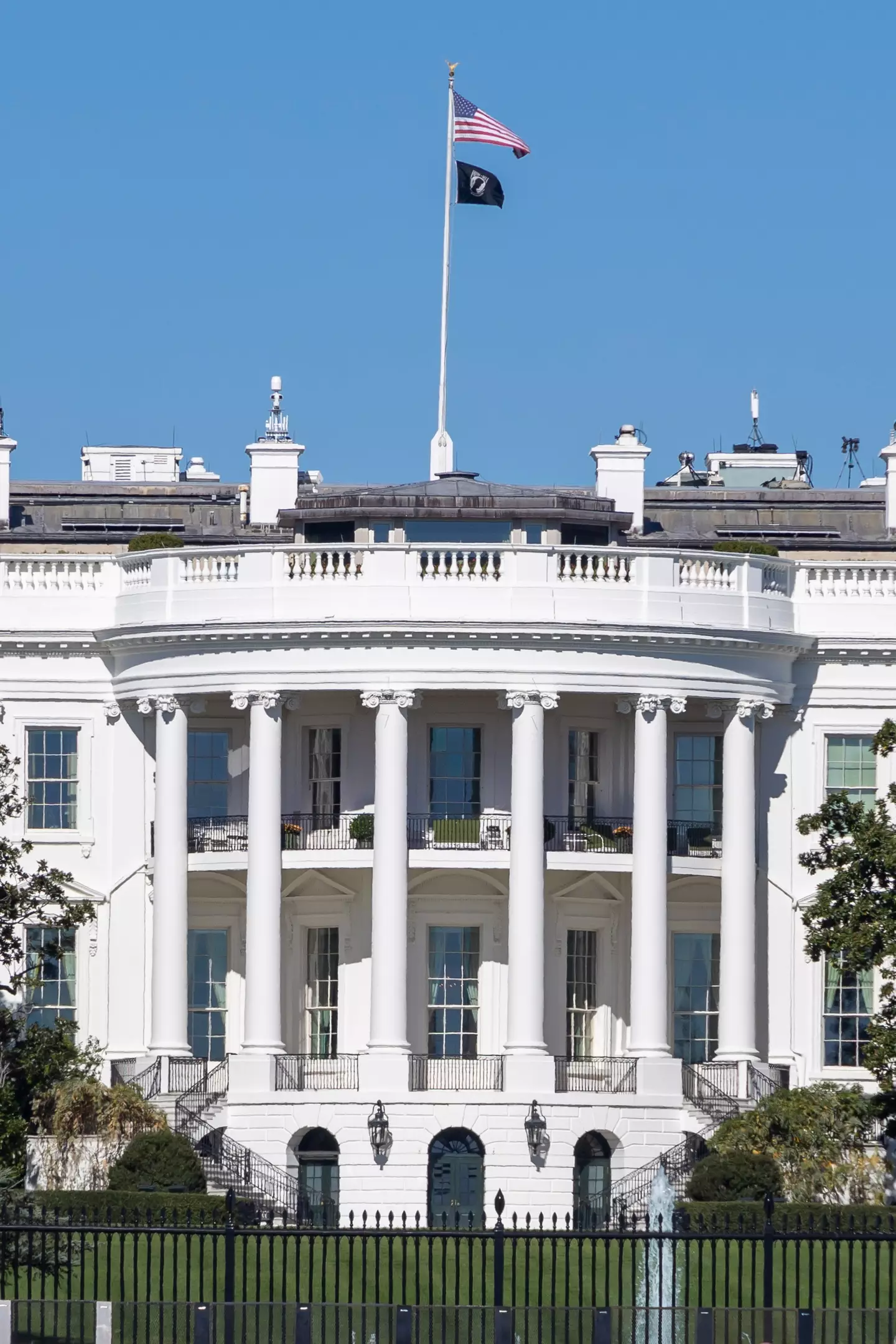
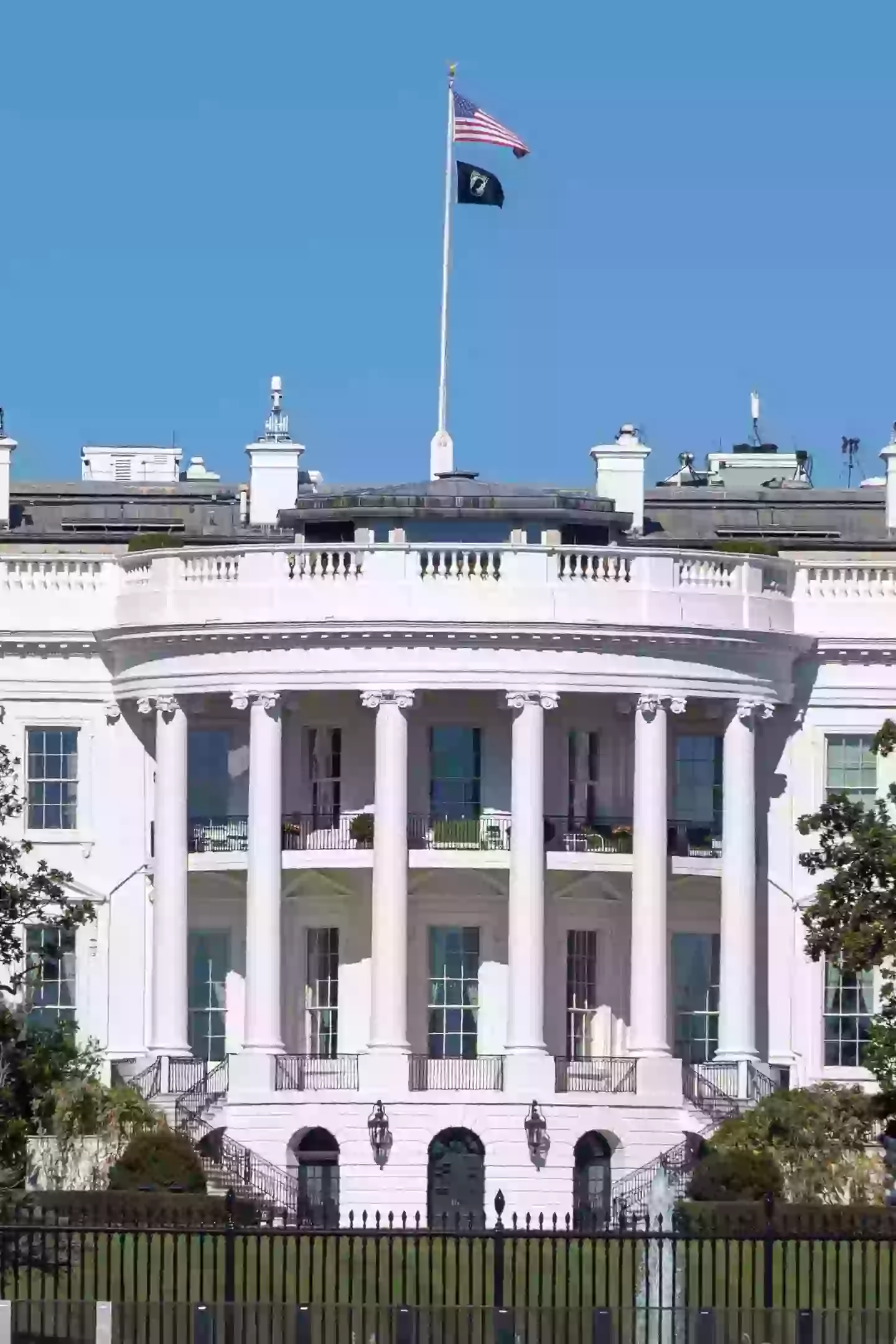
An armed man is said to have be shot near the White House (Nicolas Economou/NurPhoto via Getty Images)
The recent incident near the White House, where an armed man was shot by Secret Service agents, has raised concerns about security in the area. The man, believed to be from Indiana, was found by authorities after local police received reports of a suicidal individual. The fact that the man was able to get so close to the White House with a firearm is alarming, and questions are being raised about the effectiveness of security measures in place.
President Trump, who was not at the White House at the time of the incident, has been briefed on the situation. The DC Metropolitan Police’s Internal Affairs Division is now investigating the shooting, and details about the man’s condition have yet to be released.
In other news, Ukrainian President Zelenskyy’s recent meeting with Trump did not go as planned. Trump’s criticism of Zelenskyy for potentially risking World War III led to the suspension of US military aid to Ukraine. Despite this setback, Zelenskyy remains committed to peace and is open to negotiations to end the ongoing conflict in Ukraine. He has called for an immediate ceasefire and expressed gratitude for the US aid, particularly the supply of Javelin missiles.
Rumors that the Trump administration planned to revoke the temporary legal status of 240,000 Ukrainian refugees in the US have been denied by the White House. Press Secretary Karoline Leavitt clarified that no final decisions have been made on the matter and emphasized the administration’s focus on peace and aid contributions.
Overall, these recent events highlight the complex and sometimes volatile nature of international relations and security. The shooting near the White House and the fallout from the meeting between Trump and Zelenskyy serve as reminders of the challenges faced by leaders in navigating diplomatic relationships and ensuring the safety of their citizens.