Summertime brings various pests like ticks, mosquitoes, and now, the assassin bug. This insect is becoming more common, and its bite can pose serious health risks.
Assassin bugs, also known as “kissing bugs,” feed on human and animal blood. They often defecate at the bite site, transferring parasites that cause Chagas disease. This illness can have severe symptoms and may lead to death. “Understanding this insect is crucial for dealing with potential bites effectively.”
Chagas disease symptoms range from headaches and fever to rashes and fatigue. Many infected individuals show no symptoms, allowing the disease to progress and potentially affect the heart. Prompt medical attention is crucial if bitten. “Blood tests can aid in early detection.”
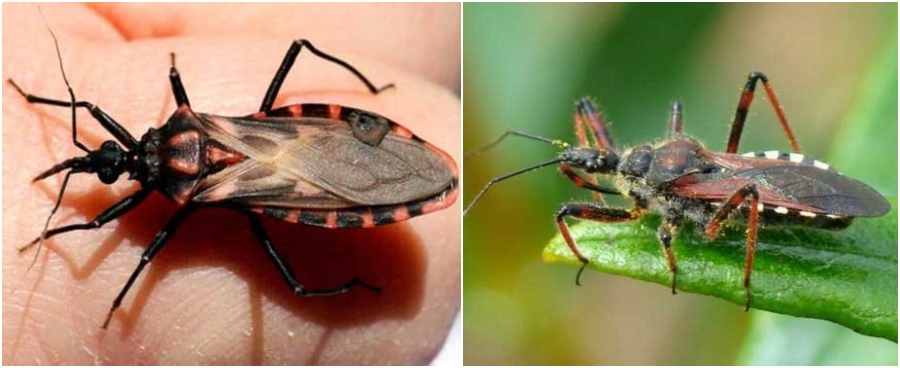
Awareness of assassin bugs should not keep us indoors but emphasizes the need for vigilance and information. Understanding these risks allows for better protection. “With knowledge about assassin bugs, we can navigate summertime outdoors more safely and confidently.”
If you find yourself bitten by an assassin bug, the first step is to remain calm. It’s important not to panic, as stress can exacerbate symptoms. The next step is to wash the bite site thoroughly with soap and water to reduce the risk of infection. Applying a cold compress can help reduce swelling and discomfort.
It is crucial to monitor the bite site for any signs of infection or allergic reaction. If you experience symptoms such as severe pain, swelling, redness, or difficulty breathing, seek medical attention immediately. Do not hesitate to contact a healthcare provider if you have any concerns about the bite.
In the meantime, you can alleviate symptoms by taking over-the-counter pain relievers and antihistamines. This can help reduce pain and itching associated with the bite. Avoid scratching the bite site, as this can lead to further irritation and increase the risk of infection.
Preventing assassin bug bites is key to avoiding the potential risks associated with Chagas disease. To protect yourself, wear long sleeves and pants when outdoors, especially in areas where assassin bugs are known to be present. Use insect repellent containing DEET to deter bugs from biting you.
Inspect your sleeping area for any signs of assassin bugs before settling in for the night. Seal any cracks or crevices in your home to prevent bugs from entering. Keep your outdoor living spaces tidy and free of debris to reduce the likelihood of encountering assassin bugs.
By staying informed and taking proactive measures, you can minimize the risk of being bitten by an assassin bug and protect yourself from Chagas disease. Remember to seek medical attention if you experience any concerning symptoms after being bitten. With proper care and attention, you can navigate the outdoors safely and confidently this summer.