Castoreum as a Natural Flavoring
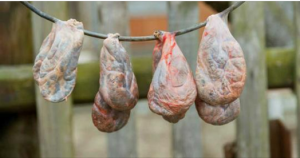
Castoreum, a substance from beavers’ anal glands, is used in vanilla and strawberry flavorings. Though it sounds unappealing, the FDA deems it safe, noting “a long historical use of castoreum extract as a flavoring and fragrance ingredient has resulted in no reports of human adverse reactions.” Food labels often list it as “natural flavorings.”

Limited Use in the Food Industry
Due to high costs and sourcing challenges, castoreum is rarely used in mainstream food products. Gary Reineccius, a flavor chemist, states, “It’s not like you can grow fields of beavers to harvest. There aren’t very many of them. So it ends up being a very expensive product — and not very popular with food companies.” Michelle Francl, a chemist, adds that beaver excretion isn’t secretly added to foods due to its expense, unlike vanilla orchids, which are easier to cultivate.
Niche and Historical Uses
While uncommon in food, castoreum is sometimes used in specialty items like the Swedish liquor bäversnaps. Historically, it has been utilized for treating stomach issues, fevers, and in products like soap and lotion. Surprisingly, it was even used in cigarettes for its sweet smell.
Beavers’ Natural Use of Castoreum
Beavers use castoreum to mark territory and identify family members, thanks to its unique scent. Their diet, rich in leaves and bark, contributes to the sweet-smelling aroma.
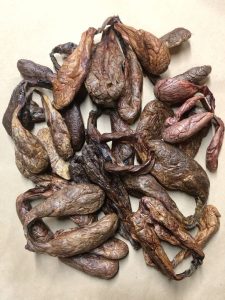
Don’t worry about castoreum in your ice cream—companies prefer more cost-effective flavor substitutes. “If food companies can find anything else to substitute for vanilla or to create a strawberry flavor, they will,” Reineccius says.
Castoreum, a substance extracted from beavers’ anal glands, may sound unappetizing, but it is actually deemed safe for human consumption by the FDA. Despite its use in vanilla and strawberry flavorings, castoreum is not commonly found in mainstream food products due to its high costs and sourcing challenges. Food labels often list it simply as “natural flavorings,” without specifying the source.
Experts in the food industry, such as flavor chemist Gary Reineccius and chemist Michelle Francl, explain that the limited availability of beavers makes castoreum an expensive and unpopular ingredient for food companies. Unlike vanilla orchids, which are easier to cultivate and therefore more cost-effective, beavers cannot be mass-produced for their anal gland secretions.
Although castoreum is not widely used in food production, it has niche and historical applications. For example, it can be found in specialty items like the Swedish liquor bäversnaps and has been historically used for medicinal purposes and in products like soap and lotion. Interestingly, it was even used in cigarettes for its sweet scent.
Beavers themselves use castoreum to mark their territory and identify family members, as the substance emits a unique scent. Their diet, which consists of leaves and bark, contributes to the sweet-smelling aroma of castoreum.
Despite its safety for human consumption, food companies tend to opt for more cost-effective flavor substitutes over castoreum. As Reineccius explains, if there are alternative ingredients available to create vanilla or strawberry flavors, companies will choose those options over using castoreum.
So, the next time you enjoy a scoop of ice cream or a slice of cake, rest assured that castoreum is likely not lurking in your dessert. Food manufacturers have plenty of other flavoring options to choose from, making castoreum a rare and exotic ingredient in the modern food industry.