Solving riddles enhances cognitive abilities by improving problem-solving skills, memory, concentration, and logical thinking.
It promotes lateral thinking, encouraging innovative approaches to challenges. Emotionally, riddles reduce stress, increase patience, and boost confidence through successful problem resolution. They provide entertainment and a fun way to engage the mind, making them a valuable activity for mental stimulation and overall well-being.
By regularly engaging in riddles, individuals can enjoy these benefits, fostering both cognitive growth and emotional resilience.
Check the riddle below:
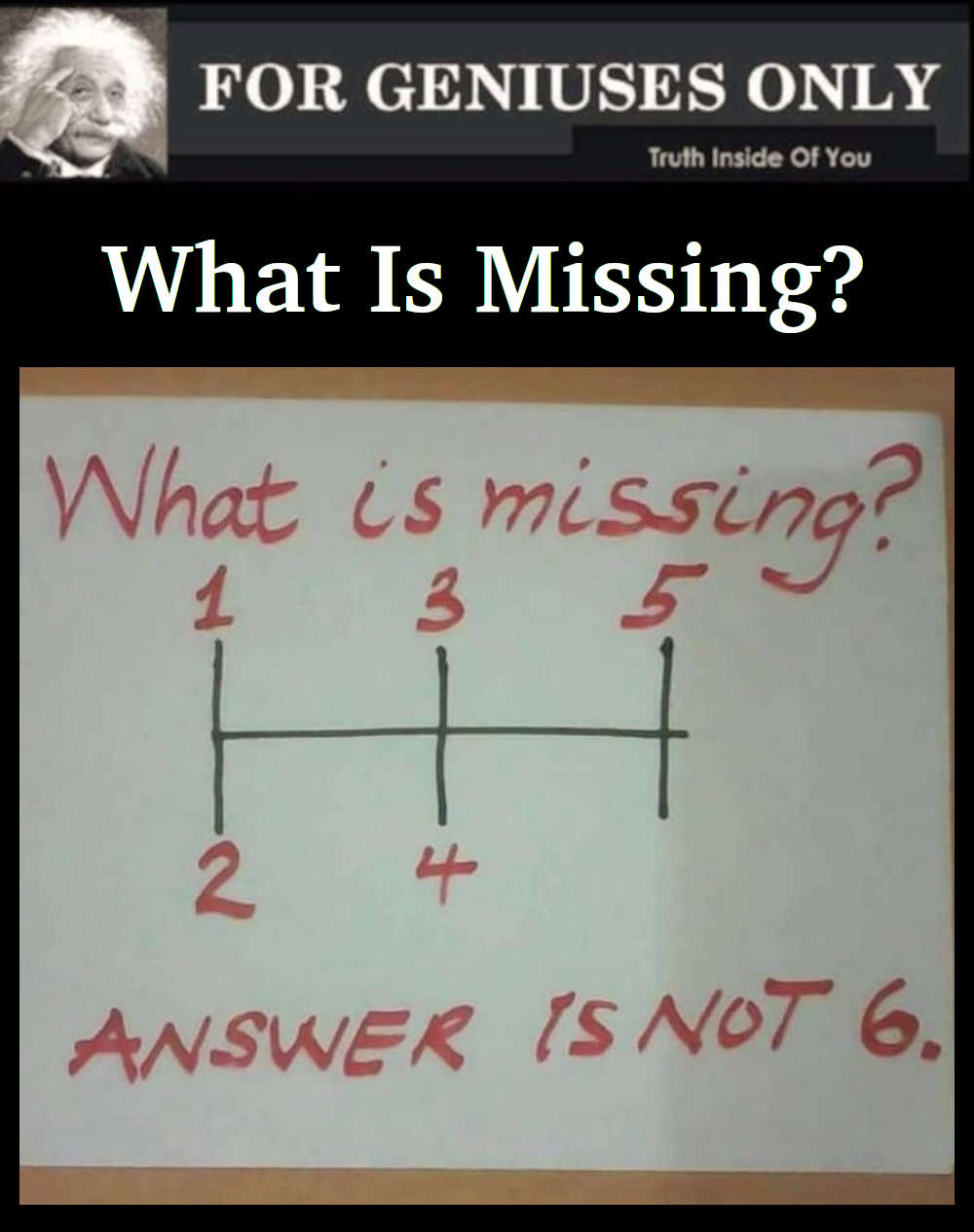
Can you find the answer?
Check the solution below:
In this context, the missing number could be viewed as the sequence of gears in a typical manual transmission pattern. Given that manual transmissions often include an arrangement like this:
R (Reverse)
1 (First gear)
2 (Second gear)
3 (Third gear)
4 (Fourth gear)
5 (Fifth gear)
The positions align with gears where the missing number follows this pattern, and we are missing the reverse gear position typically labeled as “R”.
Thus, considering the sequence and the idea of manual transmission, the missing “gear” is indeed R for Reverse.
Solving riddles is not just a fun pastime, but it also has various cognitive and emotional benefits. Engaging in riddles can improve problem-solving skills, memory, concentration, and logical thinking. It challenges the brain to think creatively and come up with innovative solutions to complex problems.
Furthermore, riddles can help reduce stress and increase patience as individuals work through the clues to find the answer. Successfully solving a riddle can also boost confidence and provide a sense of accomplishment, leading to improved emotional well-being.
One example of a riddle that can exercise the brain is the one presented above. By analyzing the sequence and pattern provided, individuals can work through the clues to uncover the missing answer. In this case, the missing number can be likened to the gears in a manual transmission pattern, with the missing “gear” being the Reverse position.
By engaging with riddles regularly, individuals can enjoy these cognitive and emotional benefits, ultimately leading to mental stimulation and overall well-being. So, the next time you come across a riddle, take a moment to solve it and reap the rewards of exercising your brain and challenging your mind. It’s a fun and engaging way to keep your cognitive abilities sharp and your spirits high.